October 13, 2026
Understanding the health of your property's foundation is crucial for maintaining structural integrity and ensuring safety. The foundation, often unseen, is the underlying base that supports your property and keeps it stable and secure. Over time, various factors can compromise its strength, necessitating a new installation. Let's explore the signs indicating that it might be time to replace your foundation. By doing so, you ensure the safety, value, and longevity of your investment in property.
1. Cracks in Walls and Floors
Identifying Types of Cracks
Cracks in walls and floors are often the first visible signs of foundational stress. They may appear small and harmless at first but can grow over time, indicating significant structural issues. It's essential to distinguish between different types of cracks, such as hairline, vertical, and horizontal cracks. Hairline cracks might not pose immediate threats, but horizontal ones can suggest pressure from expanding soils outside your home. Recognizing and addressing these early signs can prevent further damage and maintain the integrity of your home's foundation.
Horizontally or Vertically Aligned Cracks
Horizontally aligned cracks are generally more concerning than vertically aligned ones. Horizontal cracks often indicate external pressure from soil or water build-up outside foundation walls. Vertical cracks, on the other hand, can be attributed to the natural settling of the foundation and are less alarming unless excessively wide or numerous. Regular inspections and maintenance can help in mitigating these issues before they escalate. Consulting with a professional to assess these cracks' severity is crucial to guarding against potential collapses or other structural failures.
Expansion Joint Gaps
Expansion joint gaps are also key indicators of foundational problems. These joints, which should accommodate natural movements of the building, can become compromised over time. When expansion joints show significant gaps, it suggests that the foundation is undergoing unusual stress or shifting. This shift can result in serious damage if not promptly addressed. Regular maintenance and monitoring can ensure these gaps remain within acceptable ranges, protecting against broader structural issues.
Differences Between Settling Cracks and Serious Cracks
Distinguishing between settling cracks and serious cracks is vital for maintaining a healthy foundation. Settling cracks typically result from a new home settling into its foundation and are generally harmless. In contrast, serious cracks indicate foundational movement or stress that could weaken structural integrity. Observing the size, location, and trajectory of these cracks can help deduce their seriousness. Regular professional inspections can facilitate early detection and timely solutions, preserving the property's value and safety before a foundation installation is needed.
Consulting a Professional Inspector
It's important to involve a professional inspector when cracks are persistent or expanding. Professionals have the tools and expertise to assess the situation accurately and recommend appropriate measures. According to the American Concrete Institute, about 70% of all commercial construction utilizes concrete for its durability; however, even concrete foundations can fail without proper maintenance. A qualified inspector not only determines the type and severity of the cracks but also provides solutions to prevent further damage.
Doors and Windows Misalignment
Recognizing Misalignment Issues
Misalignment of doors and windows is another common sign of serious foundation problems. This misalignment can manifest as doors that stick or won't latch properly, and windows that are difficult to open or close. Recognizing these signs early is essential, as they indicate shifting foundations that could lead to more severe structural issues. Climate and soil conditions can exacerbate these shifts if ignored. Ensuring regular maintenance and addressing misalignments promptly can prevent extensive foundational damage before foundation installation is needed.
Window Frame Distortions and Their Causes
Window frame distortions are often a sign of foundation shifting. When a foundation settles unevenly, it places pressure on windows, causing frames to warp or become distorted. This distortion not only impacts the window's functionality but can also lead to gaps that allow in moisture and pests. Multiple factors, including moisture content in soils or poor drainage, can exacerbate window frame issues. Rectifying these distortions promptly is vital for maintaining thermal efficiency and structural integrity of the property.
Prevention Measures for Alignment Problems
Preventing alignment problems in doors and windows begins with proper site preparation and soil management. Regular inspections and maintenance can catch early signs of foundational shifting, preventing alignment issues. Employing the services of a professional to evaluate the home's foundation periodically ensures any minor issues are corrected before they escalate. Strategies like improving drainage and soil management can prevent water-related foundation shifts. Ultimately, investing in preventive measures saves money and preserves the property's integrity over time.
Hiring Experts to Assess Alignment Problems
When doors and windows demonstrate signs of alignment problems, it's crucial to hire experts to assess the situation. Professionals can determine the root cause, whether it's natural settling or more severe foundational shifts. The American Concrete Institute notes that concrete is widely used in commercial construction due to its strength; however, concrete foundations still require expert inspections to ensure long-term durability. These professionals offer solutions that can range from minor adjustments to major foundational reconstructions. Consulting with experts helps protect your investment and ensures the long-lasting stability of your property.
Uneven or Sloping Floors
Assessing Floor Evenness
Floors should be level, stable, and consistent throughout the property. Uneven or sloping floors are a clear indication that something may be amiss with the foundation. This unevenness can occur due to a variety of factors, including soil erosion, poor construction practices, or long-term wear and tear. Assessing floor evenness can be straightforward, using tools like levels or marbles to detect slopes. Early detection and corrective action are crucial to prevent more severe foundational issues.
Use of Simple Tools to Detect Sloping
To detect sloping floors, homeowners can use simple tools readily available. One common method involves placing a marble on the floor; if it rolls to one side, the floor is uneven. Another method is using a level to ensure the floor's consistency across various points. These techniques enable homeowners to identify potential foundational issues before they develop into serious structural threats. When such sloping is detected, consulting with a professional is the next step for comprehensive evaluation and remedy.
Common Causes of Floor Sloping
Several factors could contribute to sloping floors. Poor drainage, inadequate soil compaction during construction, and natural settling of the land are common causes. Additionally, events like earthquakes or excessive moisture can impact foundational stability. In many areas, expansive soil can swell and shrink with moisture changes, contributing to floor sloping. Identifying the root cause with the help of a structural engineer or foundation specialist is important for choosing the right corrective measures.
Impact on Furniture and Interior Design
Sloping floors can have a significant impact on the placement and usage of furniture and interior design elements. Furniture placed on uneven surfaces can appear misaligned and may even tip over, posing a risk of damage or injury. Additionally, such misalignment can affect the visual aesthetics of home decor, creating an impression of imbalance. Correcting a sloping foundation not only alleviates these issues but also enhances the overall livability and appeal of the home. Regular checks on floor evenness can contribute to maintaining an inviting and safe home environment.
Engaging Professionals for Accurate Assessment
Engaging professionals for an accurate assessment of sloping floors is a wise investment. While detecting a slope can be straightforward, determining the underlying cause and selecting an appropriate remedy is a complex task best left to experts. Structural engineers or foundation specialists offer comprehensive evaluations that consider the many factors influencing foundational stability. With the right guidance, homeowners can implement effective solutions to restore their floors' levelness. Ensuring professional involvement helps safeguard against guesswork and potential DIY pitfalls, preserving the property's value and safety.
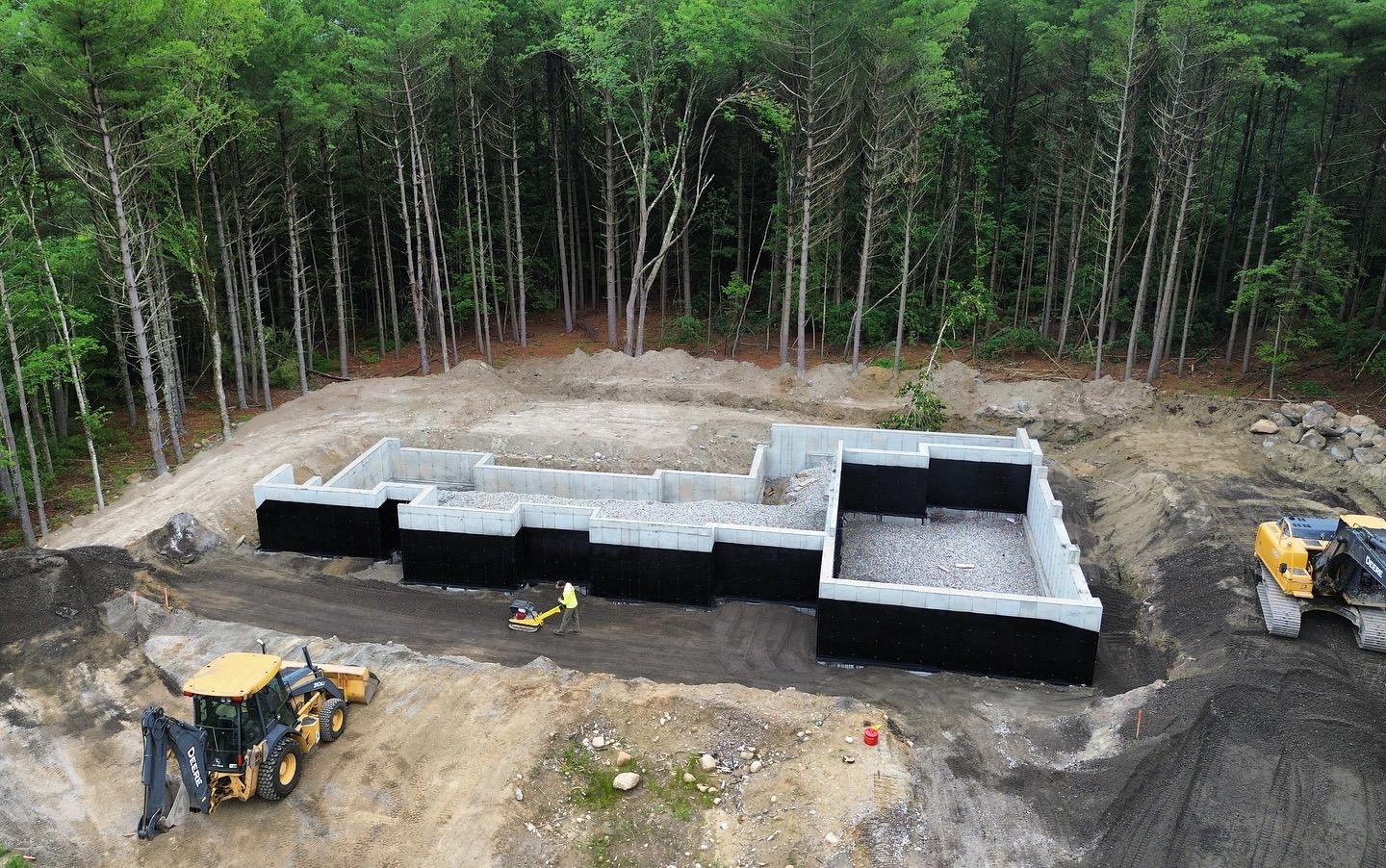
Recognizing the signs of foundation issues is crucial in maintaining a structurally sound and safe property. Consulting professionals and taking corrective action upon observing these signs is key to protecting your property's integrity and value. If you need a new foundation installation, reach out to OPD Development Corp today to get started.