July 7, 2026
Preparing your property for septic installation and repair is an essential step in ensuring your new system operates efficiently and complies with local regulations. Whether you're building a new home or replacing an aging septic system, proper planning can help prevent costly delays and unexpected challenges during the installation process. From evaluating your property and obtaining permits to selecting the right system and preparing the construction site, every step plays an important role in the project's success. Working with experienced septic installation professionals can help you understand your property's unique requirements and ensure the system is designed for long-term performance.
Plan for a Successful Septic Installation
The initial steps in preparing for a septic installation require diligent planning and understanding of the system's requirements. The process begins with gathering necessary information and resources to ensure smooth project execution. It's important to approach septic installation with a mindset geared towards minimizing future repairs and maximizing system longevity. By following a structured pathway, homeowners can avoid common pitfalls and facilitate a successful outcome.
Evaluate Your Property Before Installation
Conducting a site evaluation is one of the first crucial steps in preparing for septic installation. This involves assessing the current conditions of the land, particularly its soil quality and drainage capabilities. Site evaluations help determine the appropriate type of septic system to implement, which influences the system’s efficiency and costs. Understanding these factors can lead to more accurate estimations and prevent expensive delays or miscalculations.
Moreover, a thorough evaluation can illuminate any potential obstacles that might complicate septic installation and repair. Identifying these issues early allows homeowners to make informed decisions and allocate resources effectively. Site assessment often involves professional evaluation, ensuring that expert knowledge is applied to interpret and act upon data findings. Ultimately, this first step is indispensable in laying the foundation for all subsequent preparations.
Once the site evaluation is complete, homeowners should collaborate with specialists to review the data and proceed to plan the installation process accordingly. Having detailed insights into the characteristics of the property guides strategic decisions that align with both regulatory requirements and personal expectations. By keeping the focus on proactive planning, homeowners enhance their property's readiness for septic installation, paving the way for successful project execution.
Understand Local Septic Regulations and Permits
Understanding local regulations is vital when preparing for septic installation. These regulations govern everything from system design to environmental impact, thereby influencing key decisions. Compliance not only ensures legal adherence but also mitigates risks associated with improper installations, such as contamination or malfunction. Local governments typically offer resources and guidance to help homeowners navigate these regulations effectively.
City, county, or state-specific regulations can differ, so each property owner must research their local guidelines thoroughly. Professional consultants can play a key role in this aspect by bridging the knowledge gap between legal stipulations and practical implementation. Their expertise ensures that all necessary permits are secured and that the septic system complements local health and safety standards. Engaging with these consultants early in the process avoids costly errors and reduces the likelihood of needing extensive repairs later.
Beyond compliance, understanding local rules fosters an informed vision of how your septic system will function within community-established norms. This awareness supports a smoother approval process and builds a cooperative relationship with municipal authorities. Achieving a comprehensive understanding of local regulations is thus an integral part of preparing your property for septic installation, ensuring a seamless transition from planning to reality.
Choose the Right Septic System for Your Property
The third preparation step involves choosing the right septic system tailored to your needs. This decision significantly impacts both initial costs and long-term maintenance, making it critical to select a system that matches the specific requirements of your property. Factors such as the size of the residence, soil type, and local climate considerations can all influence the optimal choice. Engaging with professionals who specialize in septic installation and repair can provide invaluable insights and recommendations.
Options range from conventional gravity-fed systems to more complex alternative solutions, each with unique advantages and installation procedures. Analyzing these options in light of your property's needs ensures a balance between efficiency and budget constraints. Furthermore, given that residential construction accounts for the largest share of plumbing industry revenue at more than 55%, according to Gitnux, the demand for personalized septic solutions is expected to grow. Choosing the right system enhances the property's environmental compatibility and aligns with any plans for expansion or development.
Investing time and resources in evaluating system options maximizes the functionality of your septic system while minimizing potential challenges. The selected system should also accommodate future scalability, ensuring that it can adapt to changes in household size or water usage patterns. By focusing on long-term benefits and risks, homeowners make intelligent choices that safeguard their investment and the surrounding environment.
Hire Qualified Septic Installation Professionals
Hiring qualified professionals is a non-negotiable aspect of septic installation preparation. Their expertise and industry experience facilitate a high-quality installation process, significantly reducing the likelihood of errors. Skilled contractors provide insights into design specifications, system compatibility, and construction techniques, crafting a framework for successful implementation. Moreover, professionals in septic installation and repair offer maintenance services that prolong the system's lifespan.
Researching potential contractors includes verifying credentials, obtaining references, and evaluating past project outcomes to ensure reliable hiring. Open communication with your service provider allows for a transparent exchange of ideas and expectations, aligning all parties towards a common goal. Trustworthy septic installation and repair professionals advocate for informed choices, helping homeowners to understand cost structures, timeline, and environmental considerations. This informed approach enhances project clarity and confidence between homeowners and service providers.
Likewise, consultations with specialists in related fields - such as environmental engineers or land surveyors - may complement your team’s expertise. This multidisciplinary approach integrates diverse knowledge areas, fostering innovation and adaptation to site-specific challenges. Assembling a competent team of professionals underpins every successful septic installation, ensuring sustainability, durability, and efficiency in all phases of the project.
Prepare Your Property for Installation Day
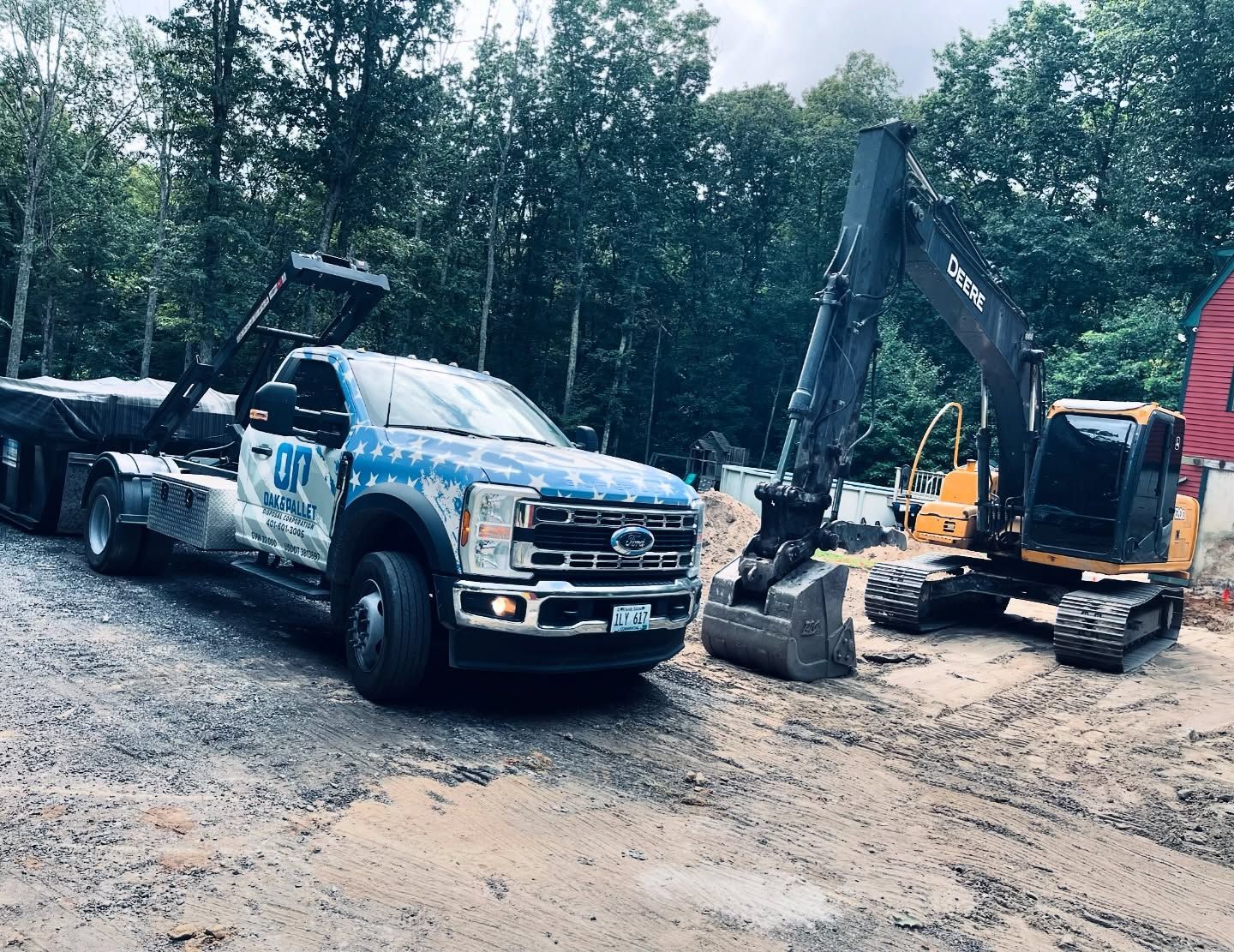
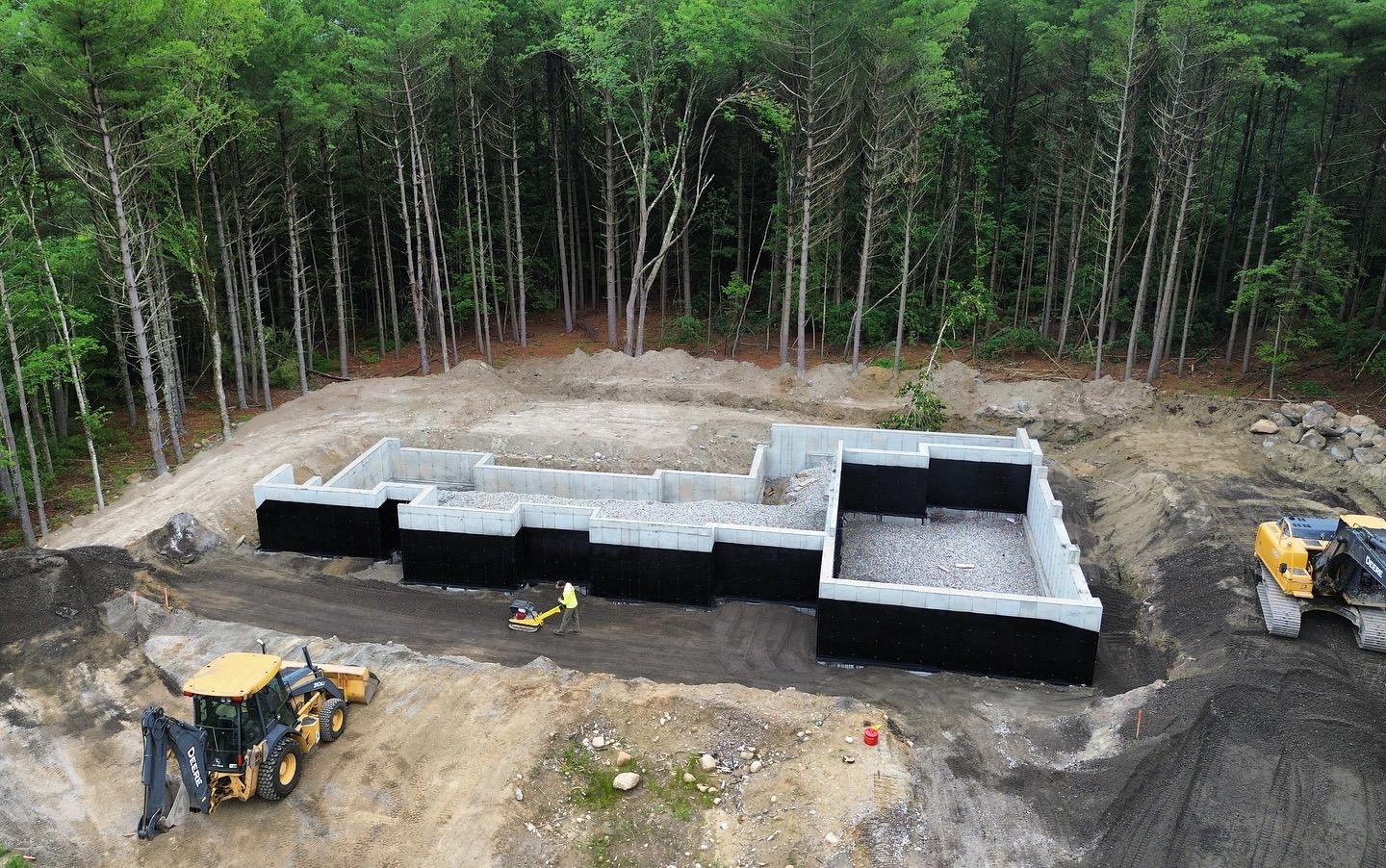
Preparing the site for construction is the final phase in readying your property for septic installation. This step centers on creating a workable environment that supports efficient installation and minimizes disruption. Cleaning the site, delineating construction zones, and organizing access paths are fundamental tasks that facilitate seamless workflow during installation. Proper site preparation prevents unnecessary delays and contributes to an orderly construction process.
Coordination with your septic installation and repair contractor to align expectations around site preparation ensures harmony and anticipation of specific needs. This preparation also includes securing any temporary accommodations for displaced landscaping or structures. Leveraging technology such as site mapping software can optimize space utilization and visualize construction dynamics. Careful implementation of these measures aligns with best practices, enhancing efficiency and effectiveness from start to finish.
A successful septic installation begins long before construction starts, with careful planning and thoughtful preparation at every stage of the project. Evaluating your property, understanding local regulations, selecting the appropriate septic system, hiring qualified professionals, and preparing the installation site all contribute to a smooth and efficient process. These proactive steps help minimize unexpected setbacks while supporting the long-term reliability and performance of your septic system. Investing time in proper preparation can also reduce future repair costs and extend the life of your system for years to come. Reach out to OPD Development Corp to learn more about our septic installation and repair services today.