April 16, 2026
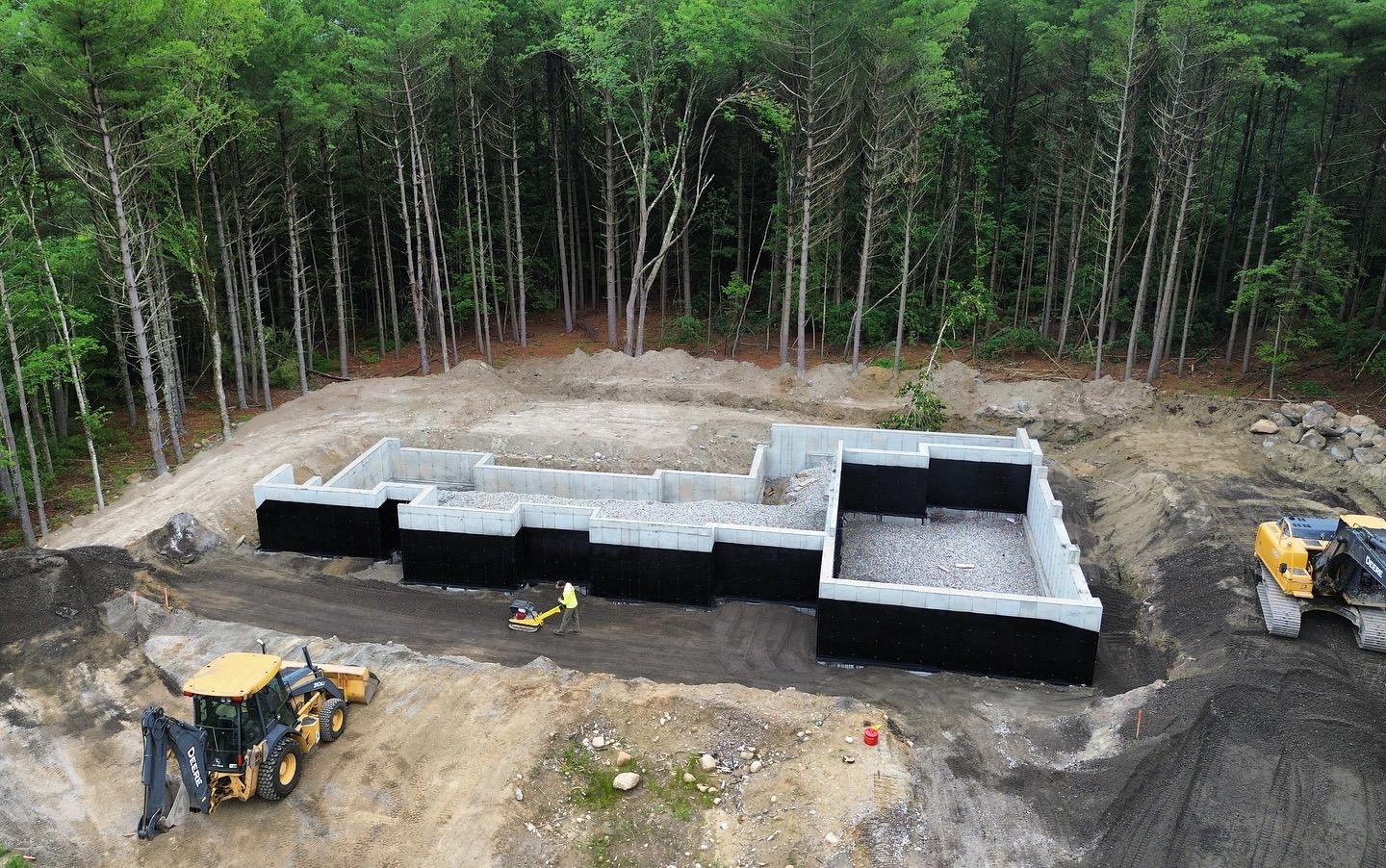
Foundation problems are often overlooked until they manifest visibly, but their impact on a home's structural integrity can be profound and far-reaching. For homeowners, understanding these issues is crucial, as the foundation is one of the most critical components of a house. This article will explore the various ways in which foundation problems can affect your home and why a professional foundation installation is important.
Foundation Problems
Firstly, foundation problems refer to any issues that compromise the structural base of a building. These problems can arise from various factors, including soil movement, water damage, and poor construction practices. A sound foundation installation is essential for the longevity and safety of a home, making it imperative to address any issues promptly. Such problems can manifest in various ways, including cracks, shifts, or sagging. Understanding the nature of foundation problems is the first step in preventing further damage to your home.
Foundations are designed to bear the weight of the entire structure, distributing loads evenly to prevent stress and damage. When a foundation fails, it can lead to significant structural issues, affecting the entire house. According to HomeServe, a well-built, properly maintained house foundation typically lasts between 50 and 100 years or more. However, neglect and external factors can shorten this lifespan considerably. Homeowners must be aware of potential foundation problems to ensure the safety and stability of their homes.
Foundation problems are not always immediately apparent, which makes regular inspections crucial. Over time, minor issues can escalate into major concerns, leading to costly repairs and potentially dangerous living conditions. By understanding what constitutes a foundation problem, homeowners can take proactive measures to protect their property. Awareness and early intervention are key to maintaining a home's structural integrity. With the right knowledge, homeowners can prevent foundation problems from becoming a significant threat.
Common Causes of Foundation Issues
Several common factors contribute to foundation issues, with soil composition being one of the most significant. Expansive soils, such as clay, can expand and contract with moisture changes, causing foundation movement. This movement can lead to cracks and structural instability if not properly managed. Water damage, often from poor drainage or plumbing leaks, can also erode the soil supporting the foundation, leading to settlement. Understanding these causes helps homeowners take preventive measures to protect their foundations.
Poor construction practices can also lead to foundation problems, as improper foundation installation or inadequate materials can compromise the structure. Builders must adhere to industry standards to ensure the foundation's longevity and stability. Natural disasters, such as earthquakes or floods, can exert extreme forces on a foundation, testing its resilience. While some factors are beyond control, homeowners can mitigate risks by ensuring their foundation is built to withstand local environmental conditions.
Tree roots and landscaping challenges can also contribute to foundation problems. Trees planted too close to a house can have roots that interfere with the soil and foundation, causing shifts and cracks. Additionally, improper grading around the home can lead to water pooling near the foundation, exacerbating potential issues. Homeowners should be mindful of their landscaping choices and ensure proper drainage systems are in place. By doing so, they can prevent many common foundation problems and maintain their home's structural integrity.
Signs of Foundation Problems
Identifying the signs of foundation problems early can prevent more extensive damage and costly repairs. One of the most noticeable signs is the appearance of cracks in walls or floors, which may indicate foundation movement. Additionally, doors and windows that stick or do not open and close properly can be a sign of a foundation shift. Uneven or sloping floors are another indicator that the foundation may be compromised. Homeowners should regularly inspect their property for these signs to address foundation problems promptly.
Other signs of foundation problems include gaps around window frames or exterior doors, which can indicate movement or settling. If left unaddressed, these gaps can lead to energy inefficiency and increased utility bills. Furthermore, homeowners may notice warped or buckling floors, indicative of underlying foundation issues. Plumbing problems, such as leaks or slow drains, can also point to foundation movement affecting pipes. Recognizing these signs early allows homeowners to take action before minor issues escalate into major structural concerns.
Regular home maintenance and inspections are essential for detecting foundation problems in their early stages. By staying vigilant and addressing signs of foundation issues promptly, homeowners can avoid costly repairs and ensure the safety of their property. Consulting with a structural engineer or foundation specialist can provide further insight into the severity of the problem and the best course of action. With the right approach, a professional foundation installation can help you in the long-term.
Types of Foundations and Their Vulnerabilities
Different types of foundations come with their own set of vulnerabilities and advantages. Slab foundations, for example, are popular in areas with warm climates but can be prone to cracking due to soil movement. On the other hand, basement foundations offer additional living space but can be susceptible to water intrusion and leaks. Crawl space foundations provide easy access to plumbing and electrical systems, but may suffer from moisture issues if not properly ventilated. Understanding the specific vulnerabilities of each foundation type helps homeowners take targeted preventive measures.
Pier and beam foundations, often used in older homes, can be vulnerable to shifting if the piers are not adequately supported by stable soil. These types of foundations may require additional reinforcing to prevent sagging or uneven floors. Homeowners should be aware of the specific maintenance needs of their foundation type to protect against common vulnerabilities. Regular inspections and maintenance tailored to the foundation type can help prevent issues from arising. By understanding the strengths and weaknesses of their foundation installation, homeowners can ensure its long-term stability and performance.
The Importance of Early Detection
Finally, early detection of foundation problems is crucial for minimizing damage and repair costs. The longer foundation issues go unaddressed, the more extensive and costly the repairs become. By identifying problems early, homeowners can implement targeted solutions that prevent further deterioration. Routine inspections, ideally conducted annually, can help detect early signs of foundation problems. By prioritizing early detection, homeowners can protect their homes and avoid the stress and expense of major structural repairs.
Proactive measures, such as addressing drainage issues and maintaining proper grading, can prevent many foundation installation problems from developing. Homeowners should also be mindful of changes in their home, such as new cracks or doors that suddenly stick. These changes can signal underlying foundation issues that require immediate attention. Consulting with a structural engineer or foundation expert can provide a professional assessment of the situation. Early intervention not only preserves the home's structural integrity but also enhances its long-term value and safety.
Foundation problems can have serious consequences if left unaddressed, impacting everything from structural stability to daily comfort. By understanding common causes, recognizing early warning signs, and staying proactive with inspections and maintenance, homeowners can reduce risks and avoid costly repairs. Each type of foundation comes with unique challenges, making awareness even more important. Taking action early allows for more manageable solutions and helps preserve the property's overall value. Staying informed and attentive creates a stronger, safer home environment and supports long-term performance for one of the most critical parts of any structure. For more information about foundations or foundation installation, contact OPD Development Corp today.